

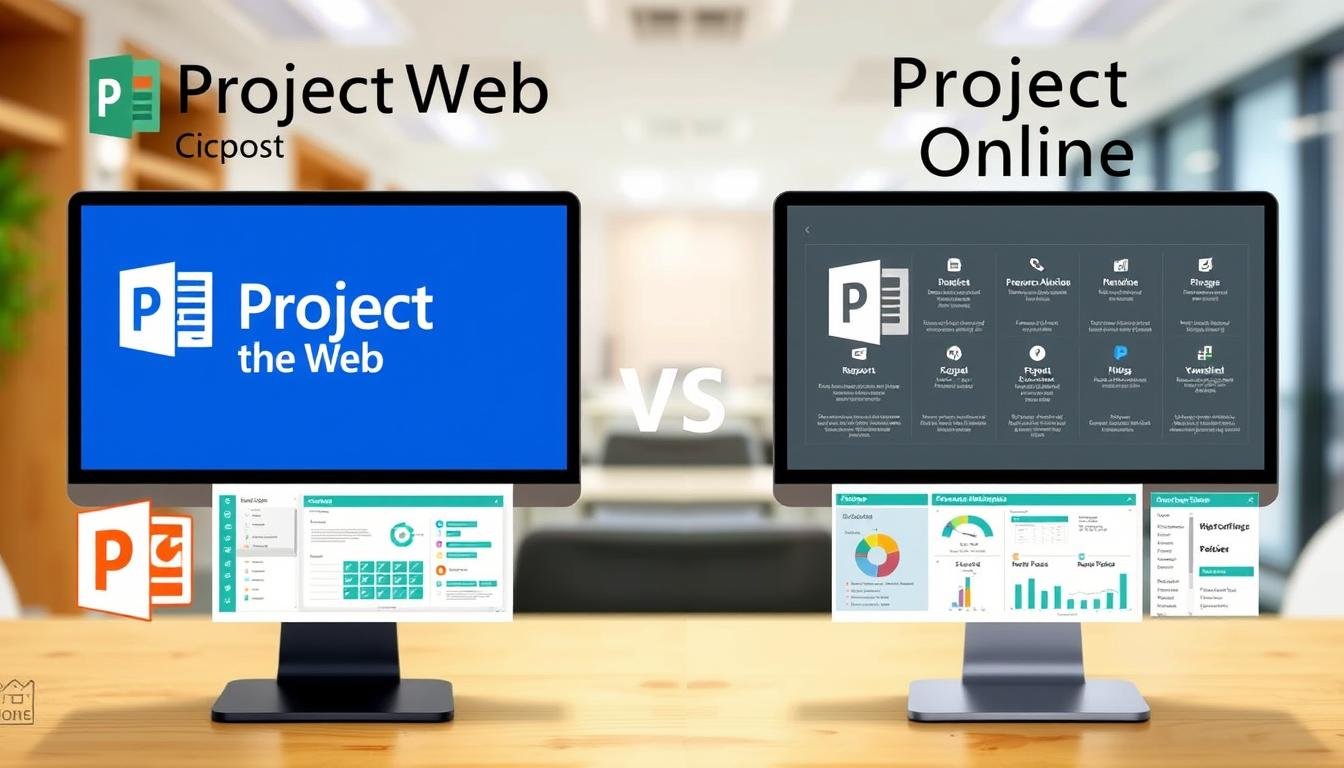
Choosing the right project management tool can be tough. Microsoft offers Project for the Web and Project Online, making it hard to decide.
Efficient resource management is key for project success. Project managers need to know the strengths and weaknesses of each tool.
Microsoft has moved towards easier and more collaborative tools. By looking at Project for the Web and Project Online’s features, managers can pick the best for their resource management needs.
Key Takeaways
- Understand the differences between Project for the Web and Project Online.
- Learn about the resource management capabilities of each tool.
- Discover which tool is best suited for your project management needs.
- Explore the unique features and benefits of each solution.
- Make an informed decision about your project management tool.
Understanding Project for the Web
Microsoft’s Project for the Web makes project management easy for more people. It’s part of Microsoft’s goal to make project management simple and easy to use. This is great for those new to project management software.
Introduction to Project for the Web
Project for the Web is a tool for managing small projects. It’s easy to start using right away. It has basic features that are ready to go.
Microsoft says Project for the Web is all about simplicity. It’s made to be easy for anyone to use, even if they’re new to project management software.
Key Features of Project for the Web
Project for the Web has features like easy use and direct online access. It also makes starting and managing projects simple. Some key features are:
- Simple project planning and tracking
- Resource allocation and management
- Real-time collaboration tools
- Integration with other Microsoft tools
Microsoft’s documentation says, “Project for the Web works well with Microsoft products. It gives a smooth experience for users who already know Microsoft tools.”
Ideal Use Cases for Project for the Web
Project for the Web is best for small or simple projects. It’s easy to use and set up. This makes it perfect for teams that don’t need complex tools.
“Project for the Web is perfect for small teams or simple projects where ease of use and quick setup are key.” –
Knowing what Project for the Web can do helps decide when to use it. This is compared to other tools like Project Online or the desktop client.
An Overview of Project Online
Microsoft’s Project Online is a powerful tool for managing complex projects. It’s part of Microsoft’s suite for project management. It’s made for big organizations with detailed project needs.
Introduction to Project Online
Project Online is Microsoft’s tool for managing projects. It has advanced features for better project management. It’s great for big projects with lots of details.
Key Features of Project Online
Project Online has collaboration capabilities, resource management, and portfolio management. These help manage projects from start to finish. They make sure resources are used well and projects are done on time.
Some key features include:
- Advanced project scheduling
- Resource allocation and management
- Project portfolio management
- Time and task management
- Reporting and analytics
Ideal Use Cases for Project Online
Project Online is perfect for big projects or those needing detailed planning. Its advanced features are great for complex projects.
| Feature | Description | Benefit |
|---|---|---|
| Collaboration Capabilities | Real-time collaboration and communication | Improved team productivity |
| Resource Management | Advanced resource allocation and management | Optimized resource utilization |
| Portfolio Management | Comprehensive project portfolio management | Enhanced project visibility |
In summary, Project Online is a strong tool for managing projects. It has many features for enterprise resource management. It’s perfect for big organizations with complex projects.
Desktop Client: An Alternative Option
For those who like a more traditional way of managing projects, the Desktop Client is a great choice. It’s a classic version of Microsoft Project. It gives a full project management experience.
Introduction to Desktop Client
The Desktop Client is a standalone app. It has robust capabilities for project management. It’s perfect for projects needing detailed control over planning.
Key Features of Desktop Client
Some key features of the Desktop Client are:
- Project Visualization: Users can make detailed project schedules and see task dependencies.
- Detailed Resource Management: It helps manage resources well across projects.
- Cost Tracking: It has tools for watching and controlling project expenses.
Ideal Use Cases for Desktop Client
The Desktop Client is great for projects needing tight control over details. This includes resource allocation and cost management. It’s also good for those who like a traditional project management style.
It offers a cost-effective project portfolio management solution. This helps organizations manage their projects well without spending a lot.
User Interface Comparison
The user interface is key in project management tools like Project for the Web, Project Online, and Desktop Client. A good interface makes work easier, boosts productivity, and helps manage projects well.
User Experience in Project for the Web
Project for the Web has a user-friendly interface. It’s easy for many users to use. This makes teams start managing projects quickly.
Key Features:
- Simple and intuitive navigation
- Easy project creation and management
- Integration with Microsoft 365 tools
User Experience in Project Online
Project Online has more features than Project for the Web. But, it’s a bit harder to learn. Its interface is made for complex project management.
Key Features:
- Advanced project management capabilities
- Customizable dashboards and reports
- Resource allocation and management
User Experience in Desktop Client
The Desktop Client has a strong interface for advanced project needs. It has powerful tools but takes time to learn.
Key Features:
- Comprehensive project planning tools
- Advanced resource management
- Detailed reporting and analytics
To see how these tools differ, let’s look at their main features in a table:
| Feature | Project for the Web | Project Online | Desktop Client |
|---|---|---|---|
| Navigation Simplicity | High | Medium | Low |
| Project Creation Ease | High | Medium | Medium |
| Advanced Features | Limited | High | Very High |
| Customization Options | Limited | High | Very High |
Resource Management Capabilities
Managing resources well is key to project success. Microsoft’s tools help a lot with this. They make sure projects are done on time, within budget, and meet quality standards.
“Resource management is not just about allocating tasks; it’s about optimizing the use of your resources to achieve project goals,” as emphasized by project management experts. This section will explore how Project for the Web, Project Online, and Desktop Client handle resource allocation.
Resource Allocation in Project for the Web
Project for the Web has basic features for assigning tasks to team members. It’s easy to use but not as powerful as other tools.
The main features of resource allocation in Project for the Web are:
- Simple task assignment
- Basic resource allocation
- Integration with Microsoft Teams
Resource Allocation in Project Online
Project Online is better for big and complex projects. It lets you manage resources across many projects. This gives a clear view of how resources are being used.
Advanced features of Project Online include:
- Detailed resource allocation across multiple projects
- Resource utilization reports
- Portfolio management capabilities
Resource Allocation in Desktop Client
The Desktop Client has detailed features for managing resources. It helps project managers track and allocate resources well. It offers a traditional project management experience with extra features.
Key features of the Desktop Client include:
- Advanced resource allocation
- Resource tracking and utilization reports
- Customizable views and reports
In conclusion, all three Microsoft tools help with resource management. But, Project Online is best for big projects because of its advanced features.
Collaboration Features
Collaboration is vital in project management, and Microsoft has tools for every need. Microsoft’s tools, like Project for the Web, Project Online, and Desktop Client, help teams work together well. They offer features to support teamwork.
Collaboration Tools in Project for the Web
Project for the Web lets teams work together in real-time. It’s great for making quick decisions. Real-time commenting helps team members talk without leaving the project.
Collaboration Tools in Project Online
Project Online has advanced tools like approval centers and strategic planning features. These help manage big projects with many stakeholders. For more info on choosing between Project for the Web and Project Online, check this resource.
Collaboration Tools in Desktop Client
The Desktop Client lets users share and manage project files. It might need more effort than Project for the Web or Project Online. But, it’s good for tracking changes and keeping everyone informed.
| Tool | Real-time Collaboration | Advanced Features | Manual Effort Required |
|---|---|---|---|
| Project for the Web | Yes | Limited | No |
| Project Online | Yes | Yes (Approval Centers, Strategic Planning) | No |
| Desktop Client | Limited | Yes (Advanced Project Management) | Yes |
In conclusion, Microsoft’s tools offer many ways to collaborate. Knowing what each tool does best helps organizations pick the right one for their projects.
Reporting and Analytics Tools
In project management, reporting and analytics are key for making smart decisions. Project management tools now have advanced reporting features. These help project managers track progress, spot issues, and make informed choices.
Reporting Features in Project for the Web
Project for the Web has basic reporting features. These features let project managers see how projects are doing. They help spot areas that need more work. While not as detailed as other tools, they’re good for small projects or simple needs.
Reporting Features in Project Online
Project Online shines with its advanced reporting and analytics. It has customizable dashboards and reports. This gives project managers deep insights into project performance.
According to a detailed analysis on Project Online vs Project for, its reporting is great for big organizations with complex projects.
Reporting Features in Desktop Client
The Desktop Client also has detailed reporting features. It lets project managers create various reports to track project performance. These are useful for detailed analysis of resource allocation and costs.
Customizable reports help project managers focus on what’s important for their projects.
In conclusion, all three tools offer reporting and analytics. But, the level of detail and sophistication varies. Project Online is the strongest in this area. It’s best for organizations that rely on data for decision-making.
Integration with Other Microsoft Products
Microsoft’s project management tools are great because they work well with other Microsoft products. This makes project management smooth and efficient. It helps project managers work better together and get more done.

Project for the Web Integration Capabilities
Project for the Web is made to work well with tools like Microsoft Teams and Dynamics 365. It lets users use lots of features and tools, like advanced project management and real-time collaboration. For example, it can work with Microsoft Dynamics for AI insights and predictive analytics.
It also works with Microsoft Teams for better team collaboration. This means team members can work together in Teams without switching apps. It’s a cost-effective project portfolio management way to manage projects.
Project Online Integration Capabilities
Project Online also integrates well with other Microsoft products. It can connect with SharePoint to make a central project management place. It also works with Power BI for detailed project reports and analytics.
Plus, it connects with Microsoft Exchange for email updates. This keeps project managers and stakeholders informed about project progress.
Desktop Client Integration Capabilities
The Desktop Client works with Microsoft Office apps like Excel and Word. This makes it easy to move project data between apps.
It also connects with Microsoft’s cloud services, like OneDrive and SharePoint. This lets users access project files from anywhere and work together in real-time.
In summary, all three Microsoft project management tools integrate well with other Microsoft products. This makes them powerful tools for managing projects. By understanding these integrations, project managers can pick the best tool for their needs and use the Microsoft ecosystem to its fullest.
Pricing and Licensing Models
It’s important to know the pricing and licensing of Project for the Web, Project Online, and Desktop Client. This knowledge helps in making the right choice.
Pricing for Project for the Web
Project for the Web comes with Microsoft 365 subscriptions. It’s available in Microsoft 365 Business Premium and higher plans. This makes it a good choice for businesses already using Microsoft 365, as it doesn’t add extra costs.
Pricing for Project Online
Project Online offers flexible pricing. It’s available in Project Online Essentials, Professional, and Premium plans. Each plan meets different needs, from basic to advanced project management. For more details, check out this comparison guide.
Project Online’s pricing is per user, per month. This allows organizations to adjust their project management as needed.
Pricing for Desktop Client
The Desktop Client, or Microsoft Project Professional, is bought once. This means a one-time payment for the software. It’s a good deal for long-term use, as it saves money over time.
| Feature | Project for the Web | Project Online | Desktop Client |
|---|---|---|---|
| Pricing Model | Included in Microsoft 365 | Subscription-based | One-time purchase |
| Cost | Part of Microsoft 365 subscription | Varies by plan (Essentials, Professional, Premium) | Single license fee |
| Scalability | High, with Microsoft 365 | High, with subscription model | Limited, one-time purchase |
In conclusion, the choice between Project for the Web, Project Online, and Desktop Client depends on pricing and licensing. Knowing these details helps project managers make better decisions.
Pros and Cons of Each Option
Every project management tool has its own strengths and weaknesses. This section will look at the good and bad sides of Project for the Web, Project Online, and Desktop Client. Knowing these points is key for project managers to choose the right tool for their project.
Advantages of Project for the Web
Project for the Web is easy to use and simple. It’s great for teams that need a straightforward way to manage projects. Its main benefits are:
- Easy to Use: It has a simple interface that makes managing projects easy.
- Collaboration: It lets teams work together in real time, improving productivity and communication.
- Integration: It works well with other Microsoft products, creating a smooth workflow.

Advantages of Project Online
Project Online is for more complex projects. It has advanced features for big organizations. Its main benefits are:
- Advanced Features: It has strong project management tools, like detailed resource planning and scheduling.
- Customization: It can be customized a lot to fit the needs of complex projects.
- Scalability: It’s good for big projects and can grow with the organization.
| Feature | Project for the Web | Project Online |
|---|---|---|
| Ease of Use | High | Medium |
| Advanced Features | Limited | Extensive |
| Scalability | Limited | High |
Advantages of Desktop Client
The Desktop Client gives detailed control over project management. It’s good for projects needing a lot of customization and control. Its main benefits are:
- Detailed Control: It offers full control over project tasks, resources, and scheduling.
- Offline Access: It lets users work on projects without internet, which is good for teams with limited internet.
- Customization: It has many options for customizing project management.
By knowing the pros and cons of Project for the Web, Project Online, and Desktop Client, project managers can make the best choice for their project.
Final Recommendation: Which to Choose?
Deciding between Project for the Web, Project Online, and Desktop Client depends on your project’s size and needs. It also depends on the experience and preferences of the project manager.
For small teams or simple projects, Project for the Web is a great choice. It’s easy to use and simple. Its intuitive interface is perfect for teams needing a straightforward project management solution.
Small Teams and Simple Projects
Project for the Web is user-friendly. It’s ideal for small teams or projects with basic needs.
Complex Projects and Larger Organizations
For larger organizations or complex projects, Project Online is better. It has advanced features and strong collaboration tools.
Detailed Project Control
The Desktop Client is best for projects needing detailed control. It offers advanced features for experienced project managers.
In the end, choose based on a detailed evaluation of your project’s needs. Make sure the tool fits your Project for the Web vs Project Online comparison and final recommendation.